Charting Progression Patterns of Entry-Level Enticements Within Nascent Virtual Asset Gaming Applications Designed for Elite Portable Device Aficionados
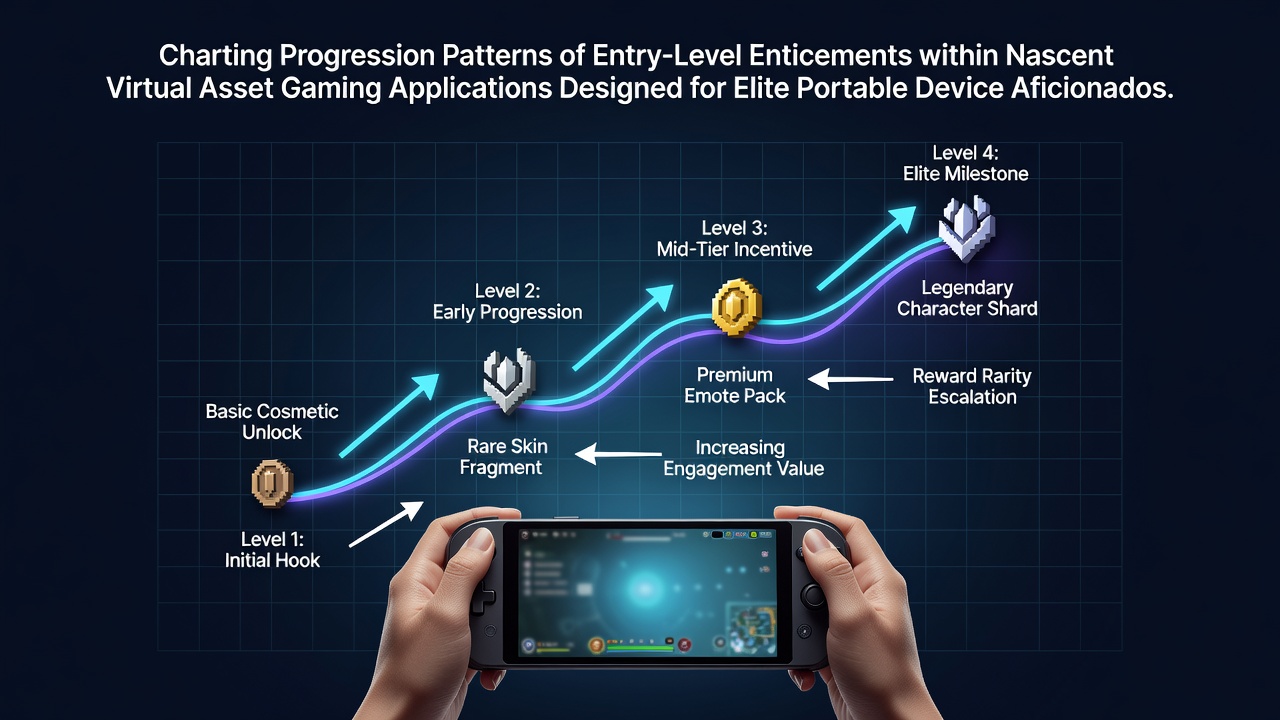
Entry-level enticements in new virtual asset gaming applications have shown distinct progression patterns as developers target affluent mobile device users with increasingly layered reward structures that begin with basic access incentives and evolve through usage milestones. Research indicates these patterns often follow predictable sequences where initial offers such as token grants or tiered access privileges expand into sustained engagement mechanisms based on activity thresholds recorded within the first weeks of platform interaction.
Initial Structures of Entry-Level Offers
Developers of emerging blockchain-enabled mobile platforms typically launch with straightforward enticements that include digital asset allocations or limited-time platform credits designed to onboard high-value participants quickly. Data from industry monitoring services reveals these starting points frequently tie to account verification steps or first-session completions, after which the systems activate progression tracking that monitors play frequency, wager volumes, and retention metrics to unlock subsequent tiers automatically.
Tracking Mechanisms and Milestone Triggers
Observers note that progression often hinges on algorithmic models which adjust incentive values according to user behavior data collected in real time, and these models incorporate variables like session duration alongside asset transaction volumes to determine when a participant advances from basic to intermediate reward levels. Studies conducted by research institutions in the Asia-Pacific region have documented how such systems in portable applications prioritize mobile-specific features including push notification triggers and in-app wallet integrations to facilitate seamless transitions between enticement stages.
One notable pattern involves the shift from static initial grants toward dynamic adjustments that scale with individual performance indicators, and this occurs commonly within the first month of user activity as platforms seek to retain elite participants through escalating benefits like enhanced withdrawal limits or exclusive event access. Figures from regulatory filings in select jurisdictions show these progressions align with broader market expansion trends observed through mid-2026, particularly as new applications integrate cross-device synchronization to maintain continuity for users who switch between portable environments.
Regional Variations in Incentive Pathways
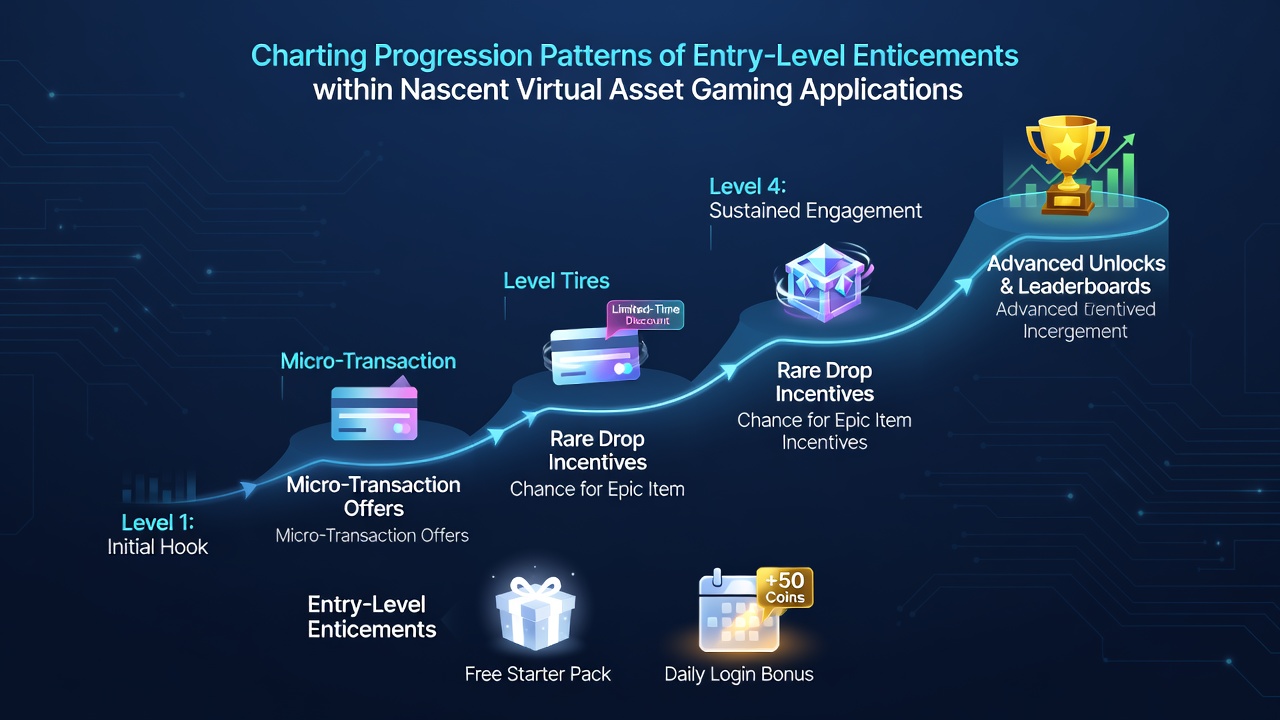
Patterns differ across geographic markets where platforms cater to premium mobile users, and evidence from European gaming associations highlights how certain applications structure their entry sequences around compliance-driven verification that unlocks asset-based rewards progressively. In contrast, developments tracked in North American contexts demonstrate emphasis on loyalty-linked progressions that build upon initial enticements with personalized asset bundles tied to behavioral analytics gathered through mobile interfaces.
What's interesting is how these pathways incorporate feedback loops that refine future offers based on aggregated user data, and this refinement process often results in accelerated advancement for participants who demonstrate consistent engagement patterns early on. According to reports issued by Canadian regulatory bodies overseeing digital asset activities, such adaptive structures have contributed to measurable increases in sustained participation rates within nascent applications launched during the preceding year.
Integration of Advanced Features in Later Stages
As users move beyond entry levels the enticements frequently incorporate elements like multi-tiered asset staking options or access to specialized gaming modules that require accumulated platform metrics for eligibility. Research from academic sources in Australia points to correlations between these advanced integrations and higher retention among elite mobile aficionados who value seamless transitions supported by secure blockchain verification protocols.
Platforms continue to refine these sequences in response to technological updates, and June 2026 saw several new applications introduce hybrid models that blend virtual asset incentives with traditional mobile engagement tools such as augmented reality overlays for milestone celebrations. Data compiled by international trade groups in the iGaming sector indicates these evolutions maintain focus on progression transparency to build trust among high-stakes participants who rely on clear pathways from initial access to premium features.
Conclusion
Overall the charting of these progression patterns underscores the structured yet adaptable nature of entry-level enticements in new virtual asset gaming applications, where initial offers serve as gateways to more complex reward ecosystems designed specifically for elite portable device users. Continued observation of these trends through established industry and regulatory channels provides ongoing insight into how such mechanisms support participant advancement across evolving mobile platforms.