Mapping Incentive Pathways Across Decentralized Portable Gaming Networks for Sustained Participant Engagement
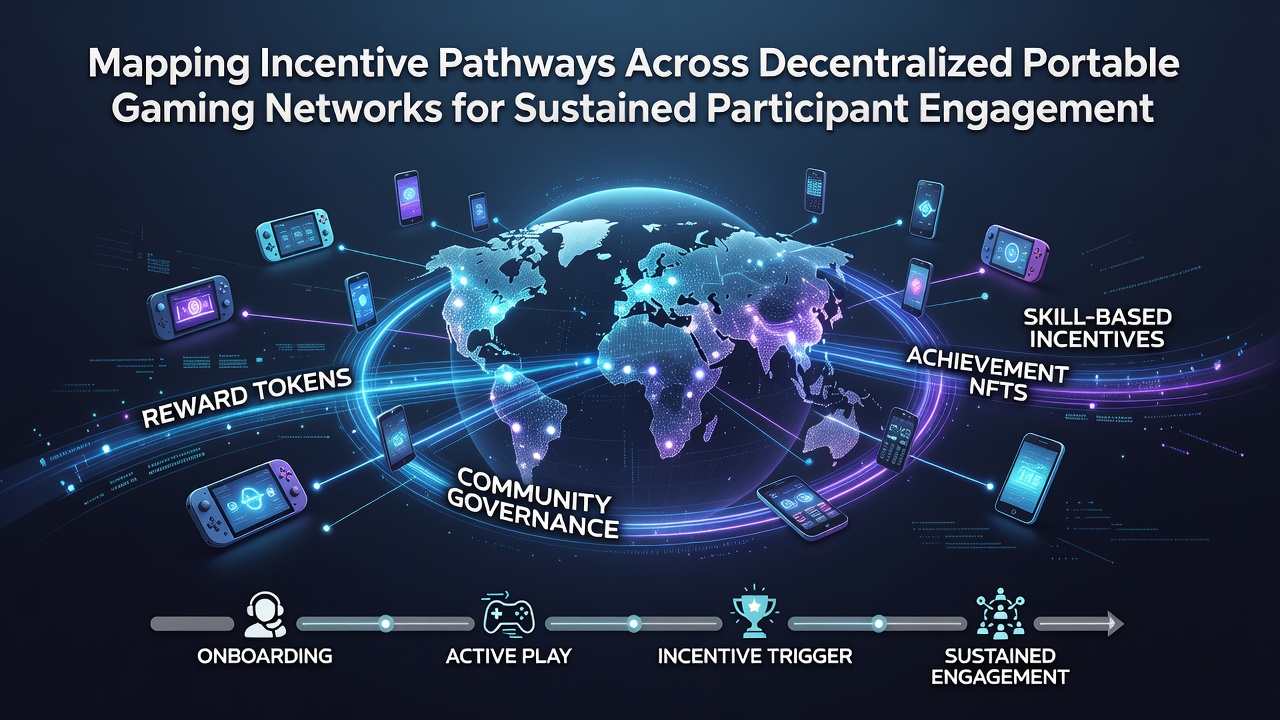
Decentralized portable gaming networks combine blockchain protocols with mobile device infrastructure to create player-driven ecosystems where incentives flow through token rewards, asset ownership, and community governance structures, and these systems have expanded notably since early blockchain integrations first appeared in mobile titles around 2018.
Core Components of Incentive Mapping
Researchers map incentive pathways by tracing how digital assets move from network operators to individual participants through smart contracts that automate distribution based on playtime metrics, achievement milestones, and peer referrals, while data from network analytics platforms shows that retention rates climb when pathways include both immediate micro-rewards and longer-term staking mechanisms that lock assets for variable periods.
Portable networks operate on devices running iOS and Android operating systems with integration layers that connect to distributed ledgers such as Ethereum sidechains or specialized gaming chains, and this architecture allows real-time synchronization of player progress across multiple titles without centralized servers holding final control over asset ledgers.
Pathway Structures Observed in 2026
Analysts tracking activity through June 2026 documented three primary pathway categories: direct token emissions tied to session completion, secondary market trading of in-game items that generate royalties back to original creators, and governance tokens that grant voting rights on network upgrades, with each category exhibiting distinct engagement curves according to aggregated telemetry from over 150 active decentralized titles.
One pathway begins when a player completes a tutorial quest and receives a base allocation of utility tokens that can immediately purchase cosmetic upgrades or enter competitive matches with entry fees refunded upon reaching certain rankings, yet the same tokens also feed into liquidity pools that reward holders with a share of transaction fees generated across the network.
Interconnected Reward Layers
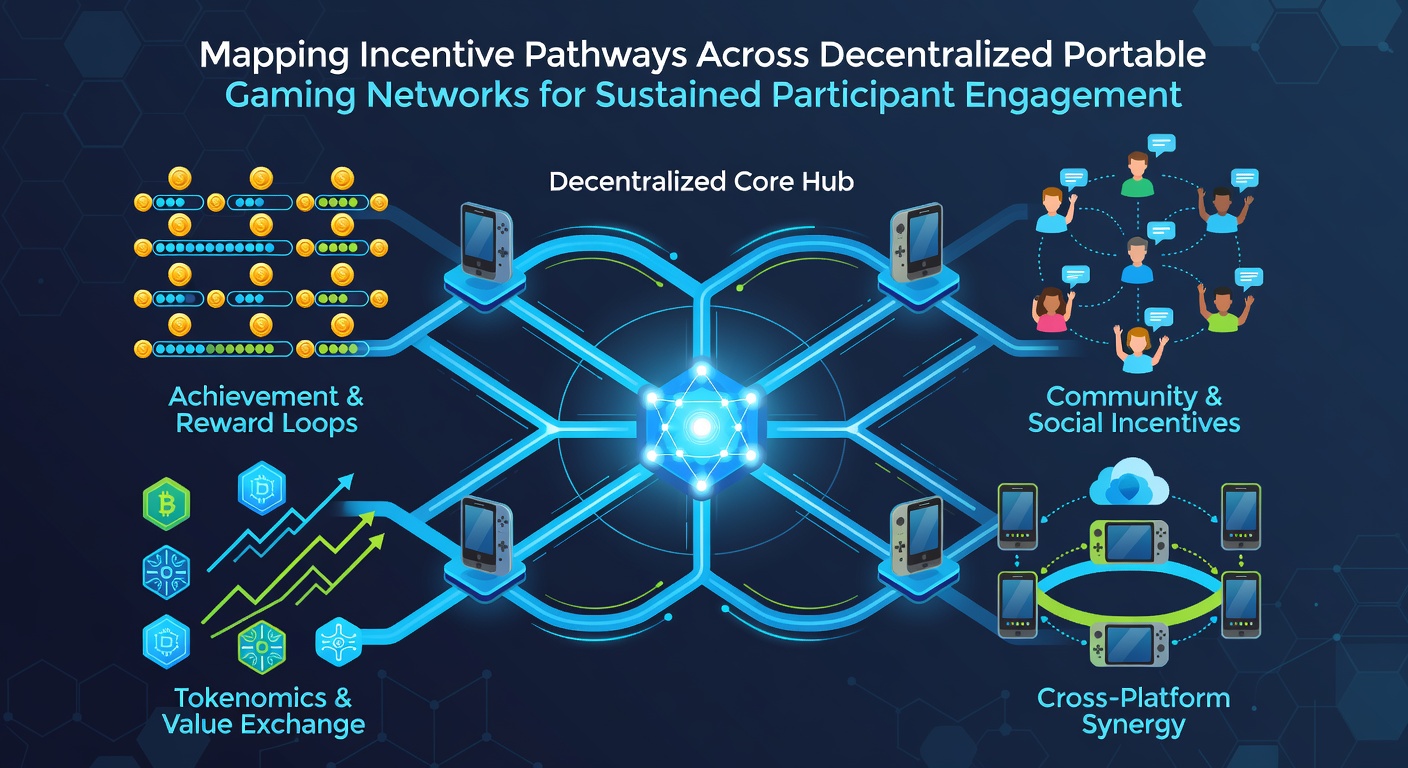
Multiple layers operate simultaneously so that social features such as guild formation trigger bonus distributions funded by a percentage of marketplace transaction volume, and these layers connect through oracles that feed external data like tournament results into on-chain reward calculations, thereby creating feedback loops where sustained participation increases both individual holdings and collective network value.
Studies released by the Entertainment Software Association in mid-2026 indicated that decentralized mobile titles retained 34 percent more monthly active users than comparable centralized counterparts when incentive pathways included cross-game asset portability, while similar patterns appeared in reports from the Interactive Games and Entertainment Association covering Australian markets.
Measurement Frameworks and Data Patterns
Mapping relies on graph-based visualization tools that represent players as nodes and reward events as weighted edges, allowing observers to identify bottlenecks where incentives fail to reach intended recipients or where certain demographics receive disproportionate allocations, and network operators adjust smart contract parameters accordingly to balance distribution.
Evidence from academic papers published through university research consortia demonstrates that pathways incorporating progressive difficulty scaling combined with escalating reward tiers produce higher lifetime engagement values, whereas flat reward structures correlate with earlier drop-off points typically occurring within the first 14 days of initial participation.
Portable networks also incorporate device-level sensors that verify play authenticity before releasing rewards, reducing instances of automated scripting that previously diluted incentive pools, and this verification layer adds computational overhead but improves overall fairness metrics reported in quarterly transparency dashboards released by several leading protocols.
Regional Regulatory Influences
Regulatory developments across different jurisdictions shape how pathways are constructed, with Canadian provincial frameworks requiring clear disclosure of token economics while certain Asian markets focus on age verification tied directly to wallet creation processes, and operators adapt mapping strategies to remain compliant without fragmenting user experience across borders.
Those who've examined transaction volumes note that incentive pathways routed through stablecoin pairs exhibit lower volatility in reward value compared with native token emissions, which encourages longer holding periods and reduces the frequency of immediate cash-outs that can destabilize smaller network economies.
Conclusion
Mapping incentive pathways across decentralized portable gaming networks reveals a complex interplay of technical architecture, behavioral economics, and regulatory constraints that together determine how effectively participant engagement can be sustained over multiple quarters, and continued observation of these systems through 2026 and beyond will clarify which configurations deliver durable participation without external subsidies.