Navigating Reward Mechanisms in Portable Live Gaming Spaces That Utilize Virtual Currencies for Premium Participants
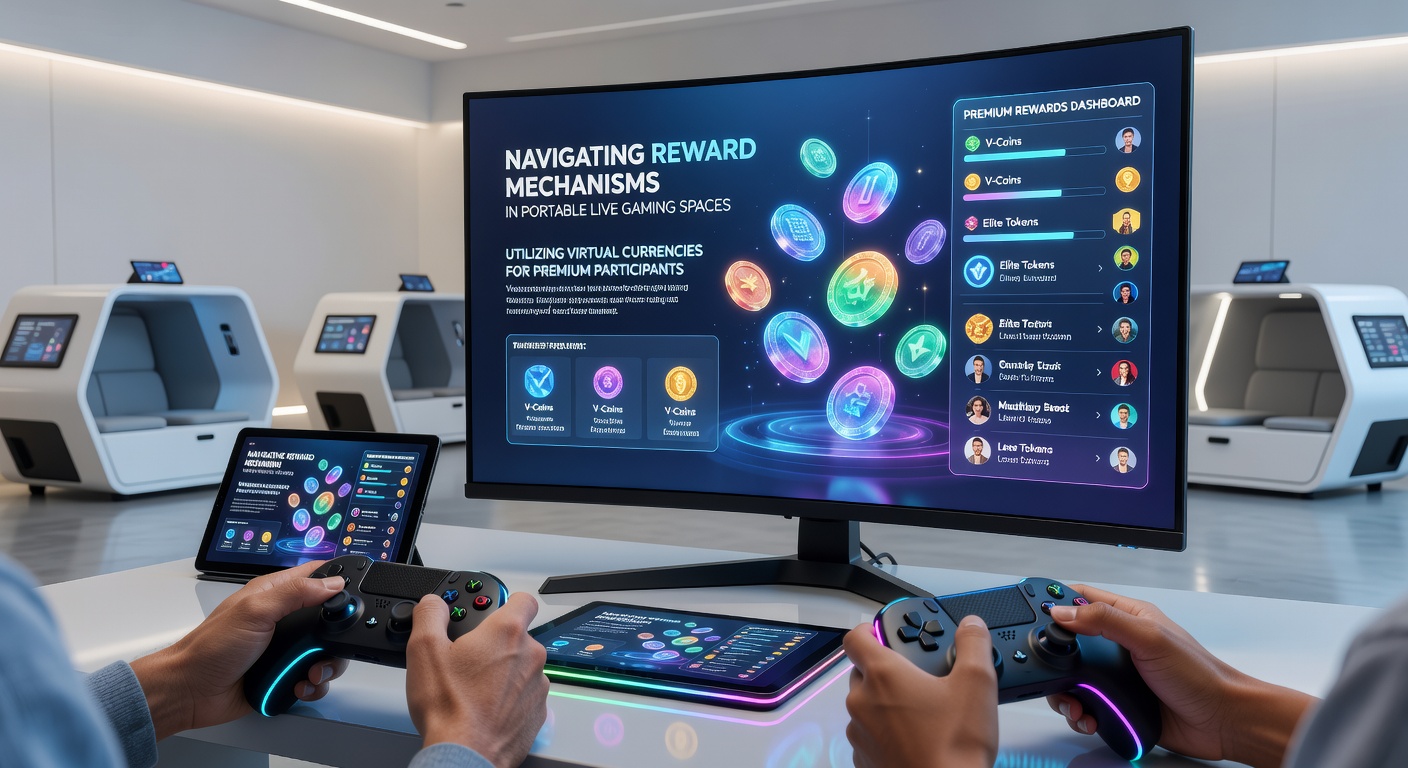
Portable live gaming spaces have expanded rapidly since operators integrated virtual currencies into real-time table experiences on mobile devices, and premium participants now encounter layered reward structures that track play across sessions while converting activity into redeemable digital assets. Observers note that these systems combine loyalty tiers with instant crypto payouts, yet the mechanics require careful attention because each platform sets its own conversion rates and eligibility rules. Data from recent industry reports shows that mobile live dealer sessions account for a growing share of virtual currency transactions in regulated markets, which means participants who understand the underlying algorithms gain clearer paths to higher-tier benefits without unnecessary friction.
How Virtual Currency Rewards Integrate With Live Mobile Play
Live dealer games streamed to smartphones use blockchain-verified ledgers to record every bet and outcome in real time, and premium accounts receive multiplier bonuses that scale according to cumulative wagers made during peak hours. Researchers at several gaming technology institutes have documented that these multipliers often reset on a weekly cycle while preserving historical data for tier advancement, allowing consistent high-volume players to climb levels that unlock faster withdrawal limits and exclusive table access. Because virtual currencies such as stablecoins settle instantly, operators can credit rewards directly to in-app wallets rather than routing them through slower banking rails, which reduces processing windows from days to minutes in many cases.
Participants frequently monitor progress through in-app dashboards that display current tier status alongside projected rewards based on recent activity patterns. Those dashboards pull data from both live game servers and wallet APIs, creating a unified view that updates after each hand or spin. Experts have observed that platforms using transparent smart contracts tend to display exact point-to-currency ratios in advance, whereas others require players to review terms after each milestone, so reviewing those ratios before committing large stakes helps avoid surprises at redemption time.
Key Components of Premium Reward Structures
Most portable platforms organize rewards into progressive tiers that start with standard cashback percentages and advance to personalized host services plus higher percentage returns on losses. Cashback itself usually accrues in the same virtual currency used for deposits, and premium participants can choose to receive portions immediately or roll them into higher-value bonuses that carry extended validity periods. Figures released by the Nevada Gaming Control Board indicate steady growth in crypto-linked loyalty programs among mobile users, suggesting that operators view these mechanisms as tools for retention rather than one-time acquisition incentives.
Another layer involves time-limited challenges tied to specific live tables or dealers, where completing a set number of rounds during designated windows grants additional token drops. These challenges often appear only to accounts that meet minimum activity thresholds, which means premium players receive advance notice through push notifications while others discover them later. And because the challenges run on mobile-optimized interfaces, users can accept and track them without leaving the live stream window, keeping engagement continuous throughout the session.
Practical Steps for Tracking and Redeeming Rewards
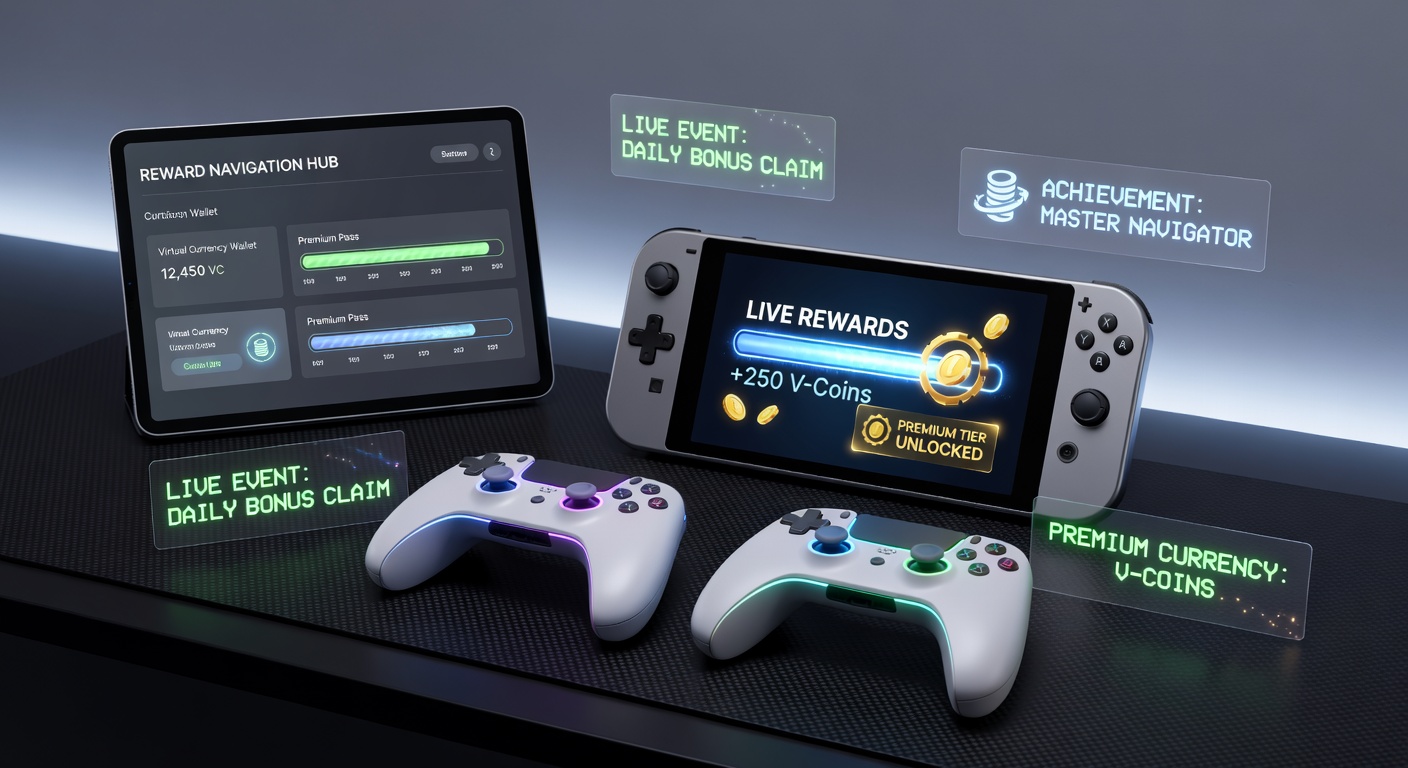
Effective navigation begins with linking a verified crypto wallet to the gaming account, since most reward distributions flow directly into that wallet once thresholds are met. Participants should then activate any available notification settings for tier progress and bonus availability, because these alerts often precede larger drops that appear only during limited promotional windows. Data compiled by the European Gaming and Betting Association reveals that players who review weekly summaries rather than waiting for monthly statements tend to optimize their play timing around multiplier events, thereby increasing overall return percentages across multiple sessions.
When redemption becomes available, the process typically involves selecting a conversion option within the rewards menu and confirming the transaction on the connected blockchain network. Confirmation times vary by network congestion yet rarely exceed ten minutes for major stablecoins, and premium accounts sometimes receive priority routing that bypasses standard queues. Observers note that maintaining records of each redemption helps reconcile platform statements with on-chain transactions, especially when tax reporting requirements apply in certain jurisdictions.
Current Landscape in Mid-2026
By May 2026 several operators have introduced cross-platform loyalty synchronization that carries tier status from desktop sessions into mobile live environments and back again, reducing the friction premium participants once faced when switching devices mid-session. This synchronization relies on unified player identifiers secured through multi-factor authentication, and early adoption metrics suggest faster tier climbs for those who alternate between tablet and smartphone play. Meanwhile, regulatory updates in multiple regions continue to emphasize responsible disclosure of reward odds, prompting platforms to display expected value calculations alongside promotional banners.
Conclusion
Navigating reward mechanisms in these portable spaces ultimately depends on consistent monitoring of tier progress, timely wallet connections, and awareness of weekly challenge cycles that feed directly into virtual currency balances. As live mobile gaming continues to evolve through 2026, premium participants who combine structured tracking habits with knowledge of each platform's specific payout rules position themselves to capture the full range of benefits without unnecessary delays or missed opportunities.