Patterns of Incentive Distribution in Live Streaming Casino Environments Powered by Digital Assets
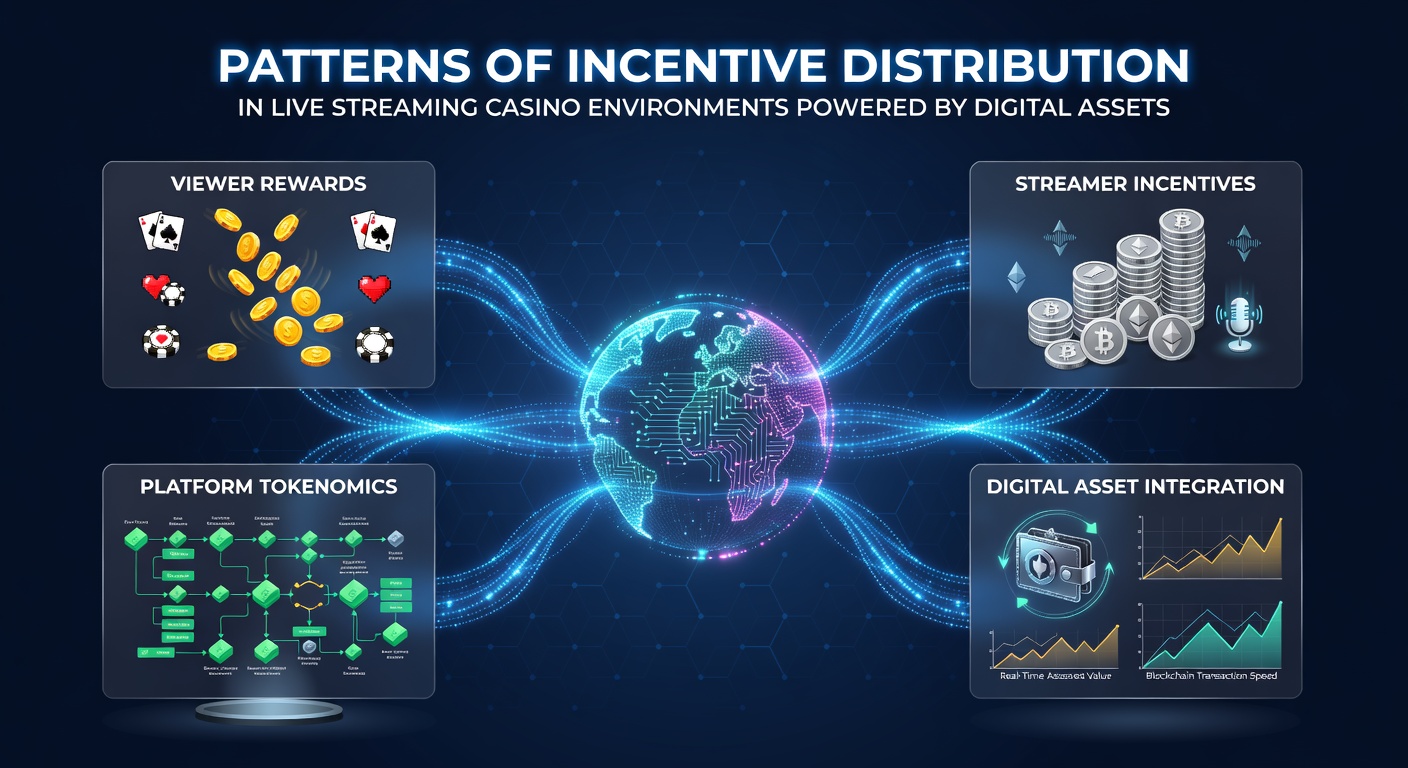
Live streaming casino environments that operate with digital assets have developed distinct patterns in how incentives reach participants, and these structures often reflect the integration of blockchain technology with real-time gaming formats. Observers note that platforms distribute rewards through mechanisms tied directly to transaction volumes, viewer engagement metrics, and session durations, which creates layered allocation systems rather than uniform bonus structures.
Core Distribution Mechanisms
Research from industry reports shows that incentives in these settings typically follow tiered models where initial rewards appear as small token amounts upon account verification while larger allocations depend on sustained interaction with live dealers and chat features. Data indicates that platforms often release these rewards in timed intervals aligned with streaming schedules, which allows operators to maintain consistent user presence across multiple time zones. Those who've examined transaction logs find that digital asset transfers occur almost immediately after qualifying actions, reducing delays that traditional payment systems introduce.
Figures from gaming analytics firms reveal that high-activity users receive proportionally larger shares of promotional pools, yet the distribution also incorporates random elements such as surprise drops during peak stream hours. This combination produces both predictable and variable reward flows that keep engagement levels elevated. Experts have observed that the use of smart contracts automates much of this process, executing payouts once predefined conditions like minimum wager thresholds or chat participation rates are met.
Regional Variations in Allocation Patterns
Allocation strategies differ notably across jurisdictions. In markets regulated by the Malta Gaming Authority, platforms tend to emphasize transparent reporting of incentive pools with public ledgers that track every digital asset movement. Canadian provincial frameworks, by contrast, encourage localized reward structures that tie bonuses to regional events or seasonal campaigns, resulting in more concentrated distribution during specific calendar periods. Australian regulatory updates scheduled for implementation in May 2026 are expected to require additional verification layers before digital asset incentives can be claimed, which will likely shift timing patterns toward later stages in the user lifecycle.
One study released by a European research consortium found that platforms in less restrictive regions allocate nearly 40 percent of their incentive budgets to live stream multipliers, where rewards scale based on concurrent viewer counts. This approach creates feedback loops because larger audiences trigger higher individual payouts, which in turn draws more participants into the same streams.
Behavioral Triggers and Timing Dynamics
Patterns emerge most clearly when examining the behavioral triggers that activate rewards. Platforms frequently link incentives to actions such as placing the first live bet of a session, inviting additional viewers through referral links, or maintaining continuous presence for set durations. According to aggregated platform data, the majority of digital asset rewards activate within the first fifteen minutes of a stream, capitalizing on initial curiosity before attention spans begin to fragment.
What's interesting is how these systems adapt to user retention curves. Early rewards function as entry points, while subsequent incentives require progressively higher engagement thresholds. Observers have documented cases where platforms introduce decaying reward values over the course of a single stream, which encourages immediate participation rather than delayed viewing. This temporal structuring aligns incentive delivery with peak human attention windows during live broadcasts.

Integration with Viewer Analytics
Advanced platforms now incorporate real-time analytics to refine distribution further. By monitoring chat velocity, bet frequency, and social sharing rates, operators adjust incentive sizes dynamically within individual streams. Research indicates that such adaptive systems increase overall participation rates by adjusting rewards upward when engagement metrics dip below projected baselines. The result is a responsive environment where incentive patterns evolve alongside audience behavior rather than remaining static across sessions.
Industry associations have noted that this data-driven method also reduces instances of reward clustering, where too many users claim similar bonuses at once and strain platform liquidity. Instead, staggered release schedules based on individual user profiles help spread distribution more evenly throughout operational hours.
Future Trajectory of Incentive Structures
Looking ahead, patterns are likely to incorporate greater personalization through machine learning models that predict optimal reward moments for each participant. Regulatory developments across multiple regions continue to shape these evolutions, with emphasis placed on auditability of digital asset flows. Those monitoring the sector expect continued refinement of distribution algorithms as live streaming technology matures and integrates more deeply with decentralized finance tools.
Conclusion
The patterns governing incentive distribution in live streaming casino environments powered by digital assets demonstrate a sophisticated interplay between technology, regulation, and user behavior. Automated execution through smart contracts combines with analytical oversight to create reward systems that respond to both individual actions and collective audience dynamics. As frameworks evolve, particularly with changes anticipated in May 2026, these distribution mechanisms will continue adapting while maintaining core principles of immediacy, scalability, and transparency.