Uncovering the Strategies Behind High-Value Reward Programs in Blockchain-Enabled Portable Casino Applications
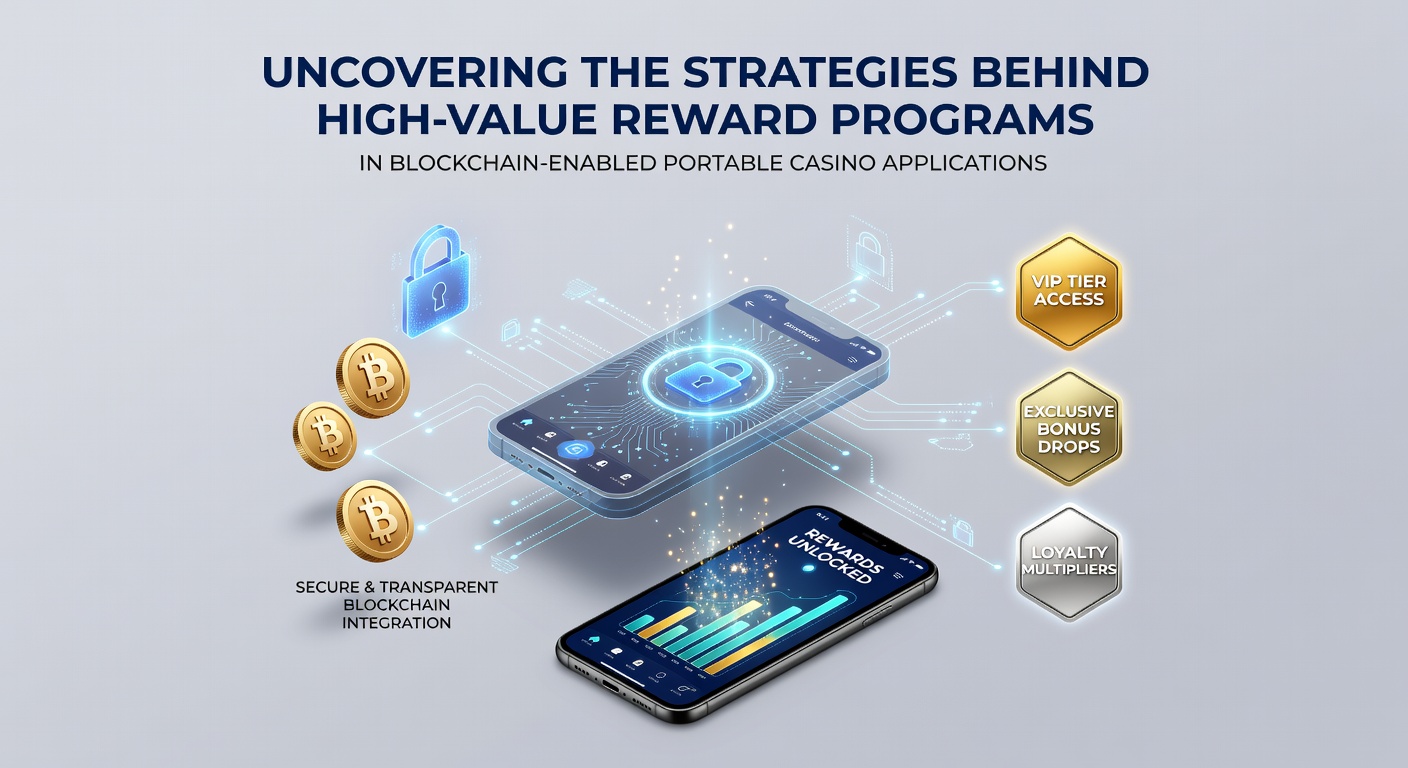
Blockchain technology continues to reshape portable casino applications as operators deploy smart contracts to manage high-value reward programs with greater transparency and efficiency. These systems track player activity across mobile devices while issuing digital tokens that represent loyalty points, cashback, or exclusive access. Data from industry reports shows adoption rates climbing steadily through early 2026, with several platforms expanding their offerings ahead of anticipated regulatory updates expected in May 2026.
Core Mechanics of Blockchain Reward Systems
Operators structure reward programs around distributed ledgers that record every transaction in real time, eliminating discrepancies that once appeared in centralized databases. Smart contracts automatically release bonuses when players reach predefined milestones such as wager thresholds or session durations, and these contracts execute without manual intervention. Participants receive tokens stored in personal wallets, which they can exchange for credits, merchandise, or entry into premium events, and the process runs continuously across time zones because the underlying network never pauses.
Portable applications integrate these mechanisms through lightweight protocols that minimize data usage on mobile networks. Users authenticate via biometric features or private keys rather than traditional passwords, which reduces friction during reward redemptions. Research published by the International Gaming Standards Association indicates that platforms using such protocols report higher retention rates among high-volume players compared with earlier non-blockchain systems.
Segmentation and Tiered Incentive Structures
High-value reward programs segment participants according to activity metrics that include total volume wagered, frequency of deposits, and participation in specific game categories. Higher tiers unlock multipliers on token earnings along with personalized offers delivered through in-app notifications. These tiers adjust dynamically as blockchain analytics monitor ongoing behavior, allowing programs to respond within hours rather than weeks.
Operators also incorporate randomized elements such as lottery-style draws funded by a portion of platform fees collected in cryptocurrency. Winners receive larger token allocations that appear in their wallets shortly after each draw closes. This approach maintains engagement among mid-tier players while directing disproportionate value toward consistent high rollers who meet volume requirements.

Integration with External Data Sources
Many programs pull verified data from external oracles that confirm game outcomes and financial movements across multiple blockchains. This integration prevents disputes because every reward calculation references immutable records rather than internal logs. Platforms operating in jurisdictions such as Malta and the Isle of Man have aligned their systems with local oversight requirements, which call for auditable trails that blockchain naturally supplies.
Partnerships with payment processors and identity services further strengthen these programs by linking wallet addresses to verified user profiles. When players complete identity checks, they gain access to elevated reward rates and faster withdrawal processing. Figures released by the European Gaming and Betting Association show that verified accounts generate measurably higher lifetime value across mobile casino verticals.
Security Measures and Compliance Features
Security protocols rely on multi-signature wallets and time-locked contracts that restrict large redemptions until additional confirmations occur. These safeguards protect both operators and participants from unauthorized transfers while preserving the speed expected in mobile environments. Compliance teams embed regulatory parameters directly into smart contracts, so certain reward types become unavailable to users located in restricted regions.
Auditors examine the open-source components of these contracts at regular intervals, and findings appear in public reports that players can review. This level of visibility distinguishes blockchain-enabled programs from earlier proprietary systems that offered limited insight into how rewards were calculated or distributed.
Future Developments Expected by Mid-2026
Developers continue testing cross-chain reward portability, which would let players transfer tokens between different casino applications without conversion losses. Early pilots launched in the first quarter of 2026 demonstrated reduced latency during transfers, and further refinements are scheduled for rollout around May 2026. These advancements could expand player choice while maintaining the integrity of each operator's loyalty calculations.
Conclusion
Blockchain-enabled reward programs in portable casino applications rely on automated contracts, dynamic segmentation, and verified data feeds to deliver consistent value to high-volume participants. teh combination of transparent ledgers and mobile-optimized interfaces supports ongoing expansion, with additional features anticipated as regulatory frameworks evolve through 2026. Operators that align technical capabilities with compliance requirements position their programs for sustained participation across global markets.